










Exploring the psychology of gambling in casinos
The thrill of chance and the allure of risk
The psychology behind gambling in casinos is deeply rooted in the human attraction to risk and reward. People are instinctively drawn to scenarios where they can challenge the odds, and casinos capitalize on this tendency. The thrill of potentially winning large sums of money creates a euphoric environment, often leading to impulsive decisions. In this high-stakes atmosphere, the excitement of betting can eclipse rational thought, prompting individuals to chase losses rather than recognize the inherent risks involved. This behavior is further intensified by the immediate gratification that gambling provides, including options like casino fast withdrawal , which can create a powerful feedback loop for the brain.
Additionally, the design of casinos themselves plays a significant role in enhancing this thrill. Bright lights, vibrant colors, and engaging sounds contribute to a sensory experience that keeps players enthralled. When individuals enter a casino, they are transported into a world that emphasizes excitement and the potential for fortune. This immersive environment can make it easy for gamblers to lose track of time and their financial limits, further fueling their desire to continue playing. In many instances, the mere act of stepping into a casino triggers a rush of adrenaline, which can blur the lines between fun and obsession.
The psychology of risk-taking also ties into the concept of ‘near misses,’ where players come close to winning but ultimately lose. Research indicates that these experiences can trigger a surge of dopamine, a neurotransmitter associated with pleasure and reward. This feedback can encourage gamblers to continue playing as they believe they are on the brink of a win, despite contrary outcomes. As a result, the cycle of gambling can become increasingly addictive, as players chase that elusive, exhilarating feeling of a win. The combination of risk, reward, and the design of the casino environment creates a potent mix that can lead individuals down a path of compulsive gambling.
The role of cognitive biases
Cognitive biases significantly influence the way gamblers perceive their chances of winning. One of the most prevalent biases is the ‘gambler’s fallacy,’ where individuals believe that past outcomes can affect future results. For instance, a player may think that a slot machine that hasn’t paid out recently is “due” for a win. This misconception leads many to take unnecessary risks, bolstered by an irrational belief in their ability to predict outcomes based on previous events. Such biases can cloud judgment, making it difficult for players to recognize the randomness of games of chance.
Another common cognitive bias is confirmation bias, which causes gamblers to remember their successes while disregarding their losses. This selective memory reinforces the belief that they are skilled or lucky, which can lead to longer gambling sessions and increased stakes. As players continue to focus on their winning moments, they become less aware of the larger trends that indicate their overall losses, further entrenching their gambling behavior. This perception creates a false narrative of competence, where players feel justified in their gambling decisions, even as they spiral into financial difficulties.

Additionally, the concept of illusion of control is prevalent in gambling psychology. Many players believe that they can influence the outcome of random games through specific strategies or rituals. For instance, a person may employ a unique method of betting or carry a lucky charm, thinking that these actions can sway luck in their favor. This belief can enhance the emotional investment in the game, making it harder for individuals to step away, even when it’s in their best interest to do so. The interplay of cognitive biases creates an environment where gamblers are more likely to engage in behaviors that are ultimately detrimental to their financial and mental well-being.
The impact of social influences
Gambling behavior is often shaped by social dynamics, where individuals may feel encouraged or pressured to participate due to their environment. Social interaction plays a critical role in the casino experience. Many people view gambling as a social activity, enjoying the camaraderie that comes from playing games with friends or strangers. This social aspect can create a sense of belonging and enhance the enjoyment of gambling, making it more difficult for individuals to recognize their limits. The thrill of shared experiences can amplify emotions, making wins feel even more significant and losses easier to overlook.
The influence of peers on gambling behavior can also have negative consequences, particularly among young adults. If a group of friends frequently visits casinos, an individual may feel obligated to join in, even if they would prefer not to gamble. The fear of missing out can compel someone to engage in gambling activities, leading to potential financial hardships. Moreover, winning moments shared among friends can foster a false sense of security, where individuals believe that consistent wins are possible. This social pressure can blur the lines between casual gambling and problematic behavior, especially when the thrill of the game is tied to social acceptance.
Furthermore, findings from studies suggest that individuals are more likely to gamble when they are in a social environment that normalizes such behavior. This phenomenon can create a cycle where individuals increasingly participate in gambling, all while rationalizing their behavior based on group dynamics. Over time, the social acceptance of gambling can blur the lines between recreational betting and problematic gambling, leading to increased risks of addiction. Understanding the social influences at play is crucial for recognizing when gambling moves from a fun activity to a troubling habit.
The physiological effects of gambling
The physiological response to gambling is also a crucial aspect of its psychology. Engaging in gambling activates the brain’s reward system, releasing chemicals like dopamine and adrenaline during moments of excitement or risk. This biochemical reaction can lead to feelings of euphoria, reinforcing the desire to gamble. For many, these physiological responses become addictive, as they seek to replicate the heightened emotions associated with winning or the thrill of taking risks. The body responds to both wins and losses, creating a cycle of emotional highs and lows that can become increasingly difficult to manage.
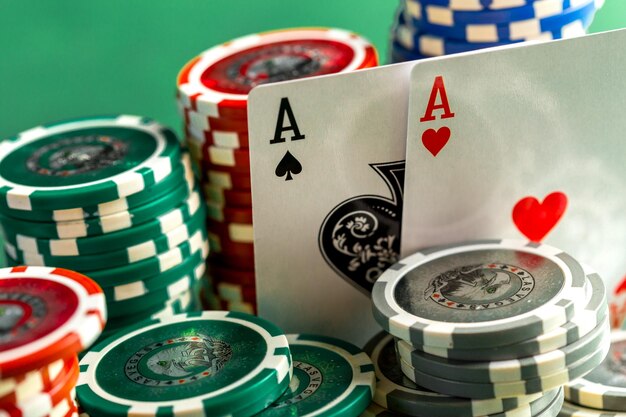
Moreover, gambling can elicit a range of emotions, from excitement to anxiety. The highs and lows of winning and losing create a rollercoaster of feelings that can be both exhilarating and stressful. Chronic gamblers often experience emotional swings that affect their overall mental health, leading to increased stress, anxiety, or depression. These emotional repercussions can deter individuals from recognizing the signs of a gambling problem and seeking help until significant consequences arise. Awareness of these physiological effects can help gamblers understand the impact of their behavior on their overall well-being.
It is also worth noting the physical environment of a casino is designed to stimulate and maintain player engagement. Factors such as scents, lighting, and music can impact physiological responses and encourage longer play sessions. Casinos often employ strategies to create an intoxicating atmosphere that keeps players excited and engaged, blurring the lines between enjoyment and obsession. Understanding these physiological effects is essential for both gamblers and those who care for them, as they highlight the complex interplay between psychology and physical responses. Recognizing these triggers can be a vital step in promoting healthier gambling habits.
Understanding responsible gaming
As awareness of gambling psychology grows, the importance of responsible gaming has become a focal point in discussions about casino behavior. Responsible gaming involves understanding one’s limits and recognizing the signs of problem gambling. Casinos and gaming organizations are increasingly implementing educational programs to promote informed choices, aiming to help players make healthier decisions regarding their gambling activities. These initiatives focus on encouraging players to set financial limits, take breaks, and seek help if they recognize unhealthy patterns in their gambling behavior. This proactive approach can empower gamblers to take control of their activities rather than succumb to the pressures of the casino environment.
Furthermore, various resources are available for individuals seeking support, including counseling services and hotlines dedicated to problem gambling. These resources provide guidance and assistance for those who may feel overwhelmed by their gambling habits or are struggling with addiction. By promoting awareness and accessibility of support, the industry aims to reduce the stigma associated with seeking help and to foster a culture of responsible gambling. Such initiatives are essential in building a safer gambling environment where individuals can enjoy the entertainment aspect without falling prey to its potential dangers.
It is vital for players to approach gambling as a form of entertainment rather than a way to generate income. Emphasizing this mindset can help mitigate the risks associated with gambling and ensure that individuals can enjoy the experience without falling victim to its potential dangers. By understanding the psychology of gambling and its effects, players can engage in this activity more responsibly, fostering a healthier relationship with gaming. Responsible gaming not only protects the individual but also contributes to a more sustainable gambling culture within society.