










Recognizing the signs of gambling addiction A guide to awareness and recovery
Recognizing the signs of gambling addiction A guide to awareness and recovery
Understanding Gambling Addiction
Gambling addiction, also known as compulsive gambling, is a behavioral disorder characterized by an uncontrollable urge to gamble despite the negative consequences. Individuals may begin gambling as a form of entertainment, but over time, it can escalate into a serious addiction that affects both personal and financial well-being. Understanding the nature of this addiction is crucial for awareness and recovery. The excitement and thrill associated with gambling can trigger biochemical responses similar to those experienced with substance abuse.
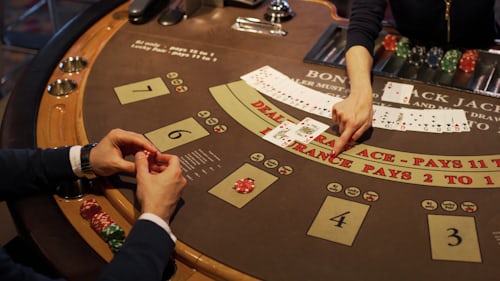
Initially, many people may not recognize their gambling behavior as problematic. They might engage in betting during social events or play online occasionally. However, when gambling becomes a primary focus, often leading to neglect of responsibilities and relationships, it indicates a deeper issue. Psychological factors such as stress, anxiety, or depression often exacerbate gambling behavior, making it essential to identify these underlying emotional triggers early on. wildzycasino.co
Moreover, societal attitudes toward gambling can sometimes normalize excessive gambling behavior, making it difficult for individuals to see the harm it may cause. As gambling becomes more accessible through online platforms, the risk of addiction increases. Recognizing the signs of gambling addiction requires both personal reflection and societal awareness of its implications.
Identifying the Signs of Gambling Addiction
Recognizing the signs of gambling addiction is the first step toward recovery. Common indicators include preoccupation with gambling, which manifests as constant thoughts about past or future betting activities. Individuals may also find themselves lying about their gambling habits, attempting to hide the extent of their gambling from family and friends. These behaviors can lead to isolation, which often deepens the addiction.
Financial difficulties are another red flag. Many individuals with a gambling addiction may go to great lengths to obtain money for gambling, including borrowing from friends or family, stealing, or incurring debt. The cycle of gambling and loss can lead to severe financial distress, impacting not only the individual but also their loved ones. As the addiction progresses, the stakes may increase, leading to riskier bets and more significant losses.
Emotional and behavioral changes can also signify a gambling problem. Individuals may become irritable, anxious, or depressed when not gambling. They may also experience mood swings and a diminished interest in previously enjoyed activities. Recognizing these emotional shifts is crucial, as they can serve as indicators that professional help is needed to address the addiction effectively.
The Impact of Gambling Addiction
The effects of gambling addiction extend beyond the individual, affecting families and communities alike. Relationships often suffer due to the secrecy and financial strain associated with the addiction. Partners may feel betrayed, while children may experience neglect as a parent’s focus shifts towards gambling. The stigma surrounding gambling can further complicate relationships, as families may feel embarrassed or reluctant to seek help.
Financial repercussions can be devastating, leading to bankruptcy, loss of property, or severe debt. Individuals may resort to desperate measures to recoup their losses, which can escalate into criminal behavior, further complicating their recovery journey. The cycle of chasing losses can keep individuals trapped in a downward spiral, with little hope of escape without intervention.
In addition, gambling addiction can significantly impact an individual’s mental health, leading to anxiety disorders, depression, or even suicidal thoughts. It is vital to recognize these effects early, as they can have long-lasting repercussions on one’s life. Seeking support from friends, family, or professionals is crucial to breaking the cycle of addiction and rebuilding a healthier lifestyle.
Pathways to Recovery
Recovery from gambling addiction is a multifaceted process that often requires professional support. Recognizing the need for help is a vital first step. Therapy, particularly cognitive-behavioral therapy (CBT), has been shown to be effective in treating gambling addiction by helping individuals identify harmful thought patterns and develop healthier coping strategies. Support groups, such as Gamblers Anonymous, offer a community of individuals who understand the challenges associated with recovery.
In addition to therapy, creating a structured environment can be beneficial. This may involve limiting access to gambling platforms and finding alternative recreational activities. Engaging in hobbies or community events can provide a fulfilling outlet that distracts from gambling urges. Developing new routines and support systems can significantly enhance the recovery experience, making it easier to navigate the challenges that arise.
Continued education about the nature of addiction is essential for long-term recovery. Understanding that recovery is an ongoing process can help individuals remain vigilant about their behaviors and triggers. Building a supportive network, whether through friends, family, or professional resources, is crucial for maintaining sobriety and ensuring a healthier future.

About Wildzy Casino
At Wildzy Casino, we prioritize responsible gaming and the well-being of our players. Our platform is designed with user safety in mind, providing resources and support for those who may be struggling with gambling-related issues. We believe in creating a thrilling yet safe gaming experience where players can enjoy entertainment without compromising their mental health.
For those who seek a responsible gaming environment, Wildzy Casino offers various tools to promote healthy gambling habits. From setting deposit limits to self-exclusion options, our aim is to empower players to take control of their gaming experience. We encourage open discussions about gambling addiction and provide access to professional resources to support recovery journeys.
Leave a Comment